A couple years ago, I was given an Old Vetterli Rifle. It turned out to be a 1869/71 chambered in 41 Swiss (10.4×,38R), a rimfire black powder cartridge that hasn’t been commercially available since the 1940’s. This is the story of its’ restoration and reserection.
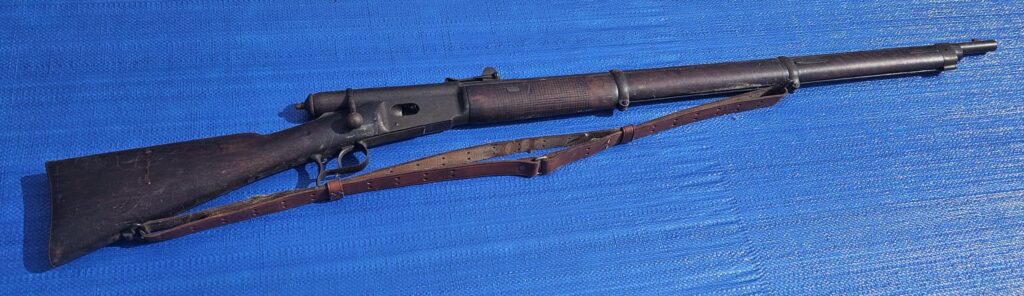
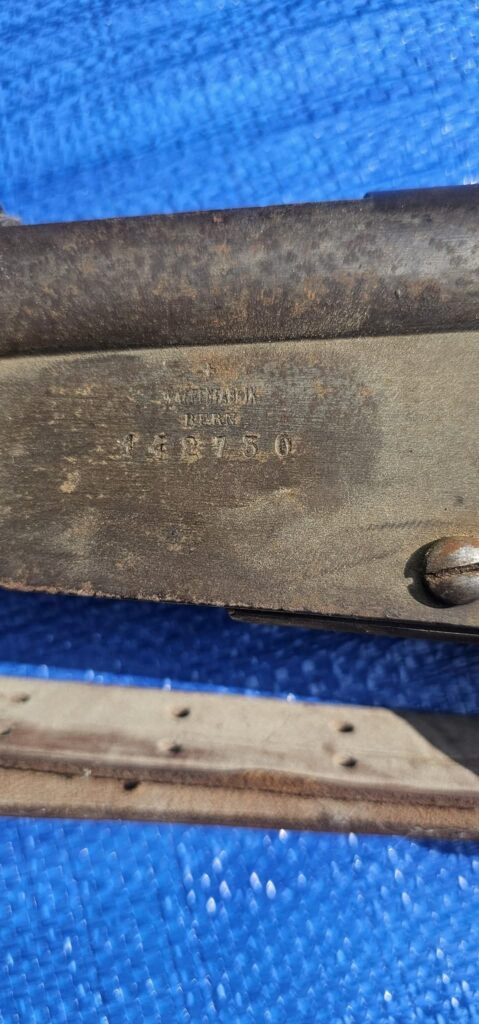
First step I took on this rifle was a quick inspection to gather everything I could to learn its’ history. Markings indicate it was manufactured in Bern and with a bit of research, I was able to map the serial number to 1878.
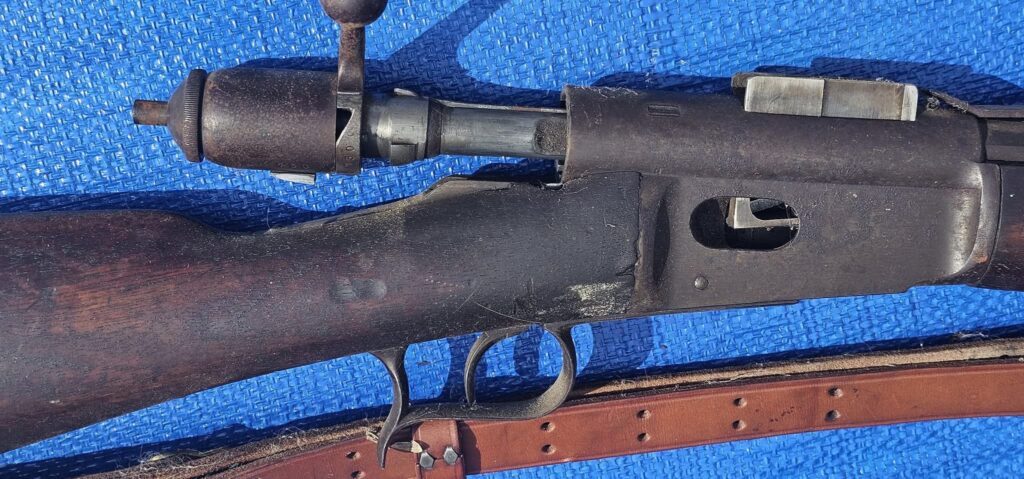
Then began the slow process of cleaning and rehabilitation. The rifle was disassembled, degreased, scrubbed, soaked and thoroughly cleaned. There wasn’t any remaining finish to speak of, so abrasive wheels removed all the rust scale. Then carefully cleaned any pitted areas again to eliminate the remaining corrosion.
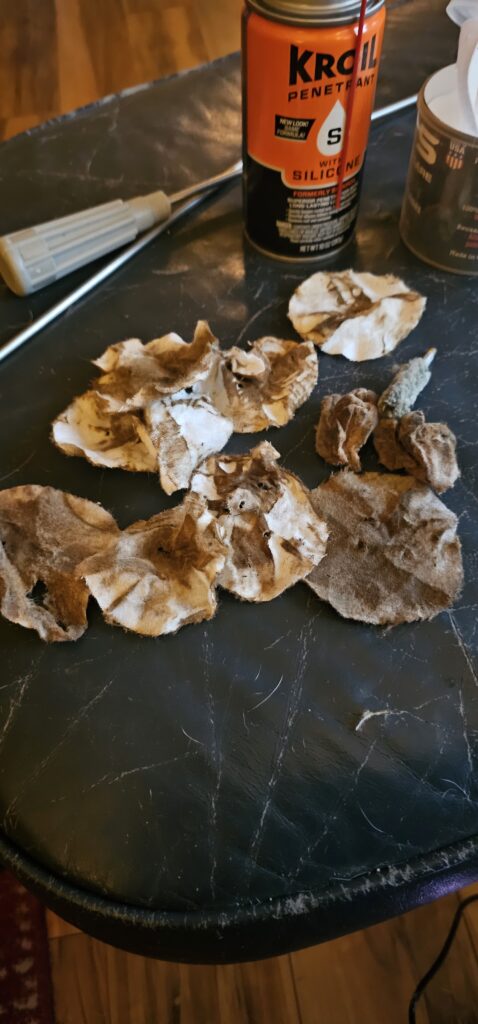
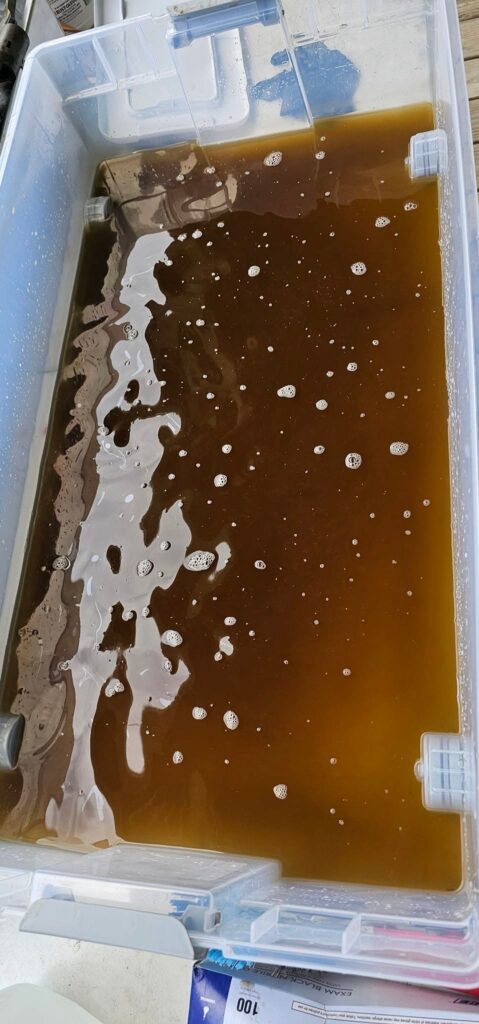
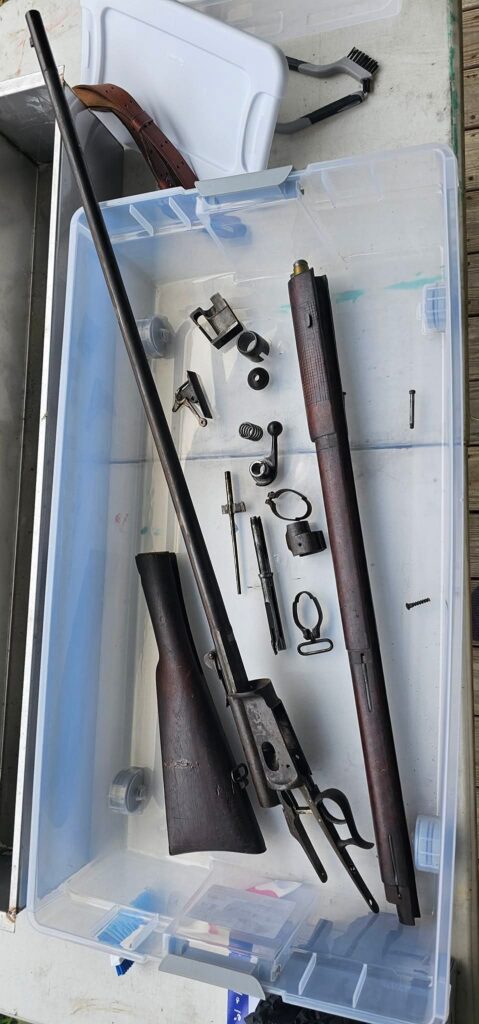
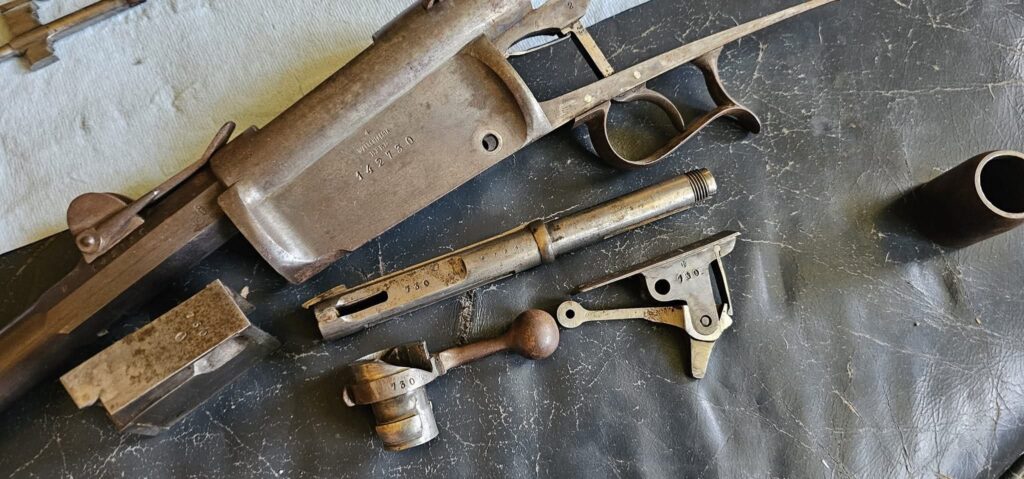
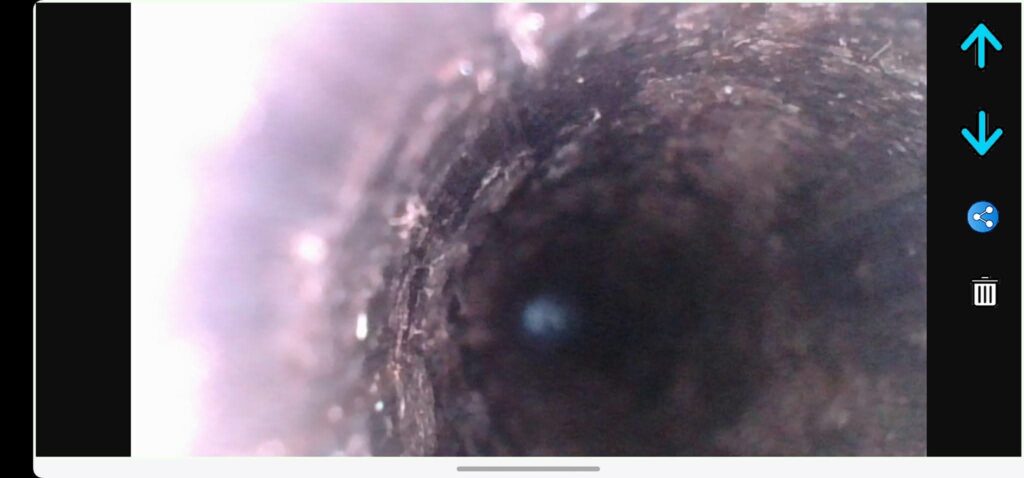
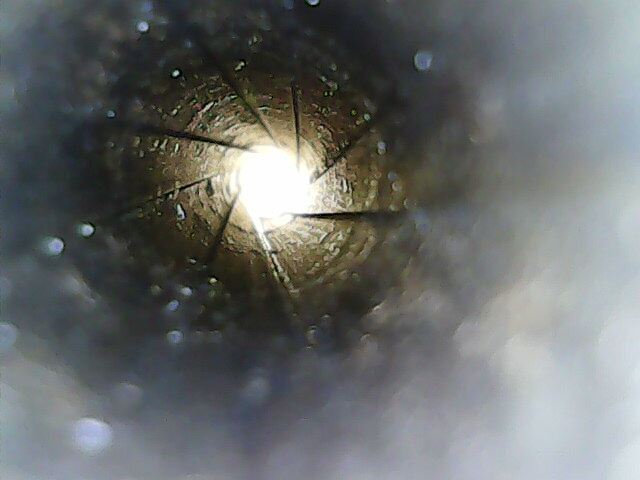
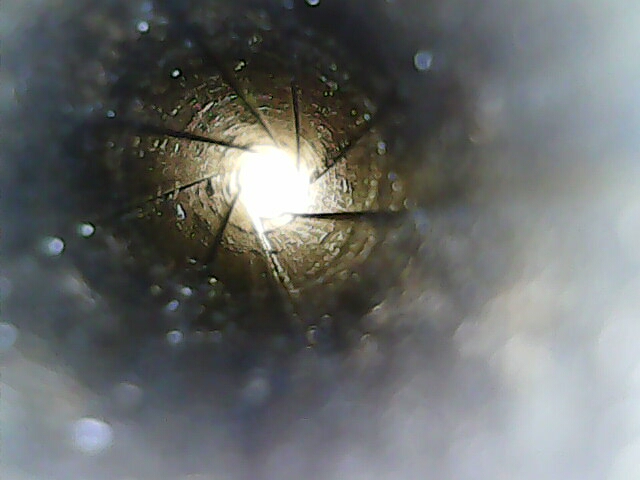
Once apart and surface cleaned, I turned my attention to the barrel bore. It was dark and chunky, but rifling was still underneath all that crude, albeit pitted. At least it was unobstructed and intact. I figured this would be a wall hanger anyway, but used bore cleaner brass and steel wire brushes and even put the cleaning rod in a drill chuck before I determined it was as good as the old girl is going to get. Might be shootable? Hmm… but that is for later in the story. Remember, ammo is rim fire and hasn’t been commercially available since 1946!.


Then on to the wood! I actually soaked the stock in very hot water and scrubbed what I could off the wood. It was dented and dinged, but that is to be expected from a rifle nearly 150 years old. Once cleaned and dried, I started to apply a hand rub TruOil finish… letting it dry and harden between rather thick coats. The light sanding and more coats. Then on to steel wool. And more lighter coats.
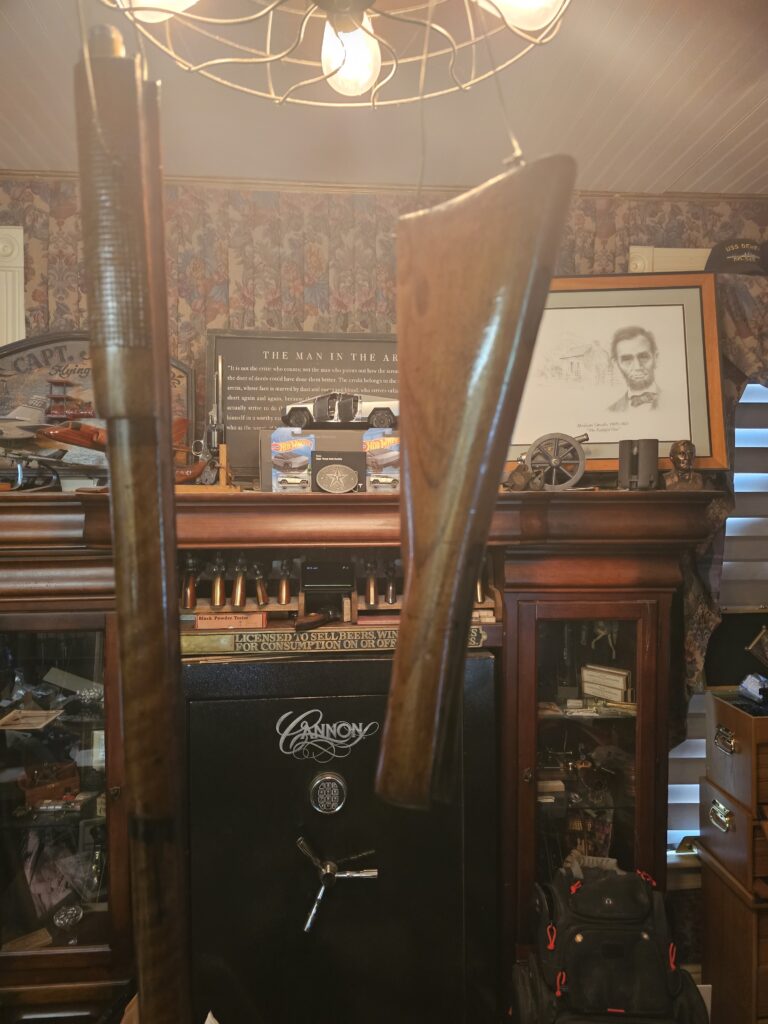
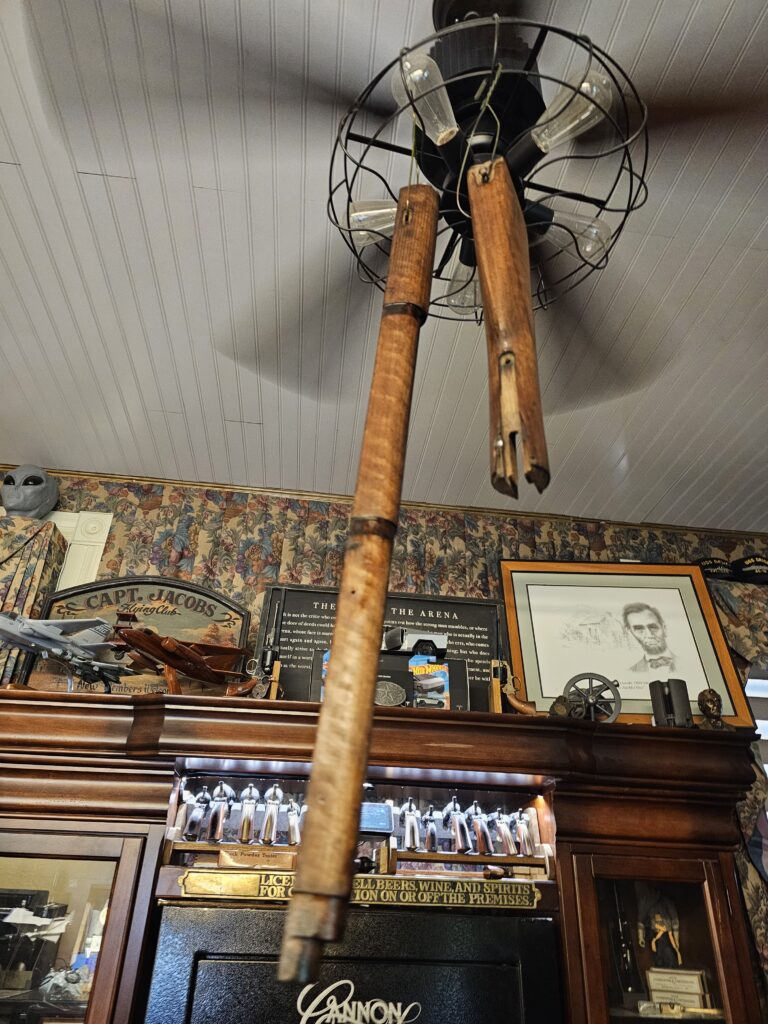
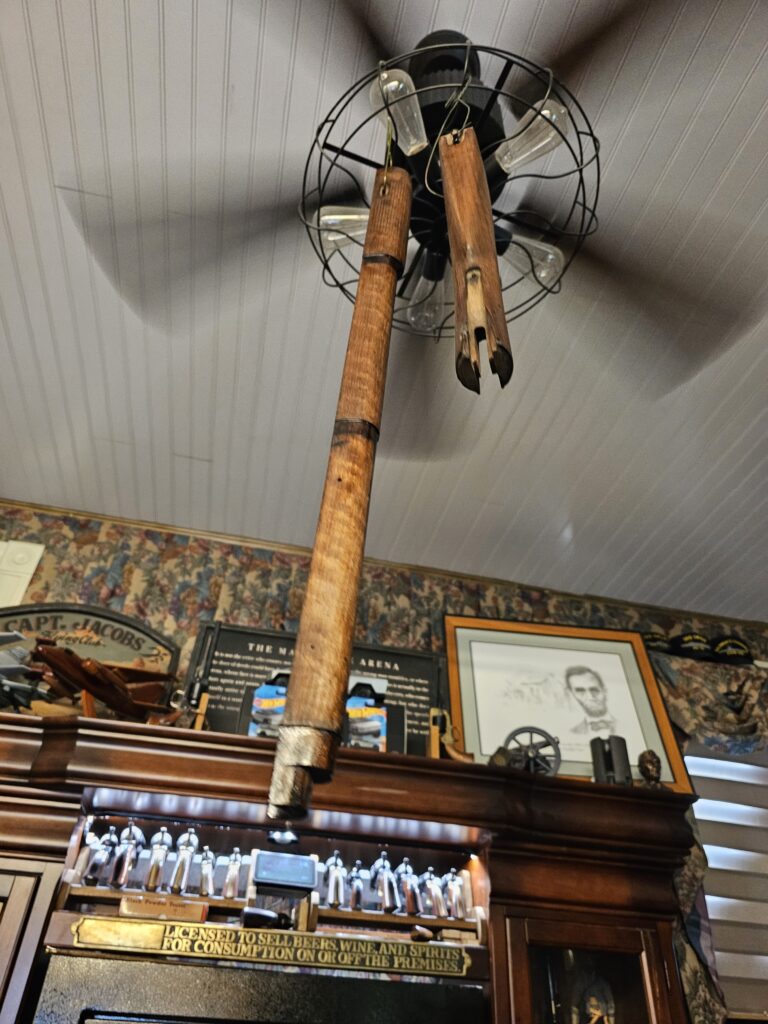
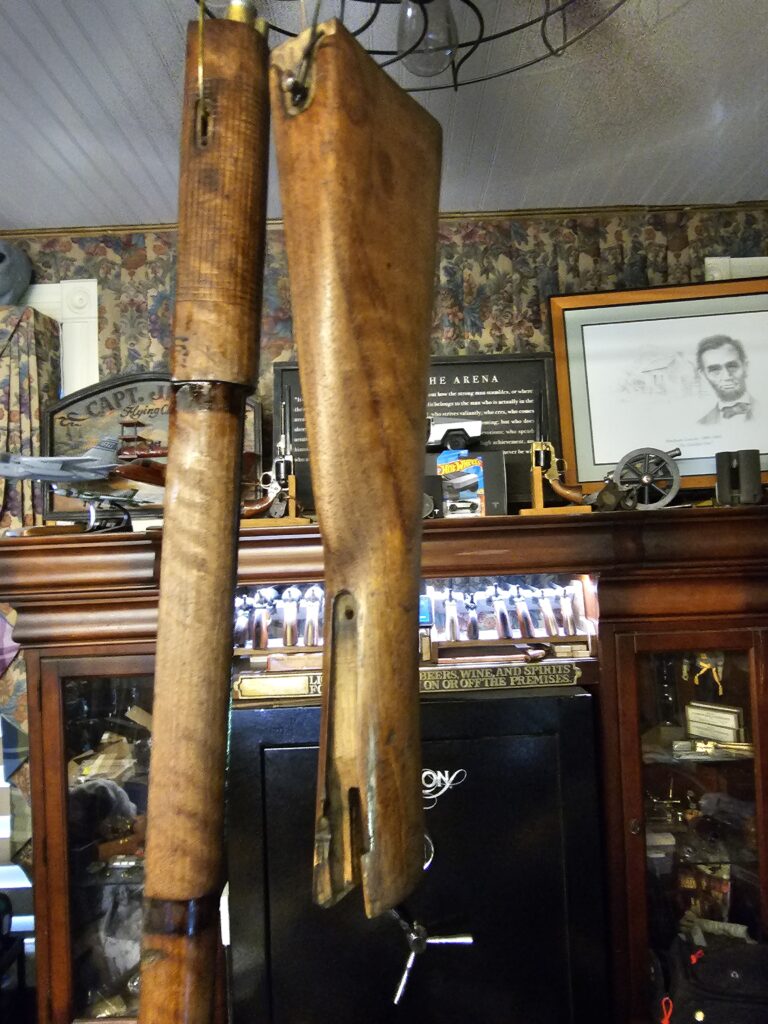
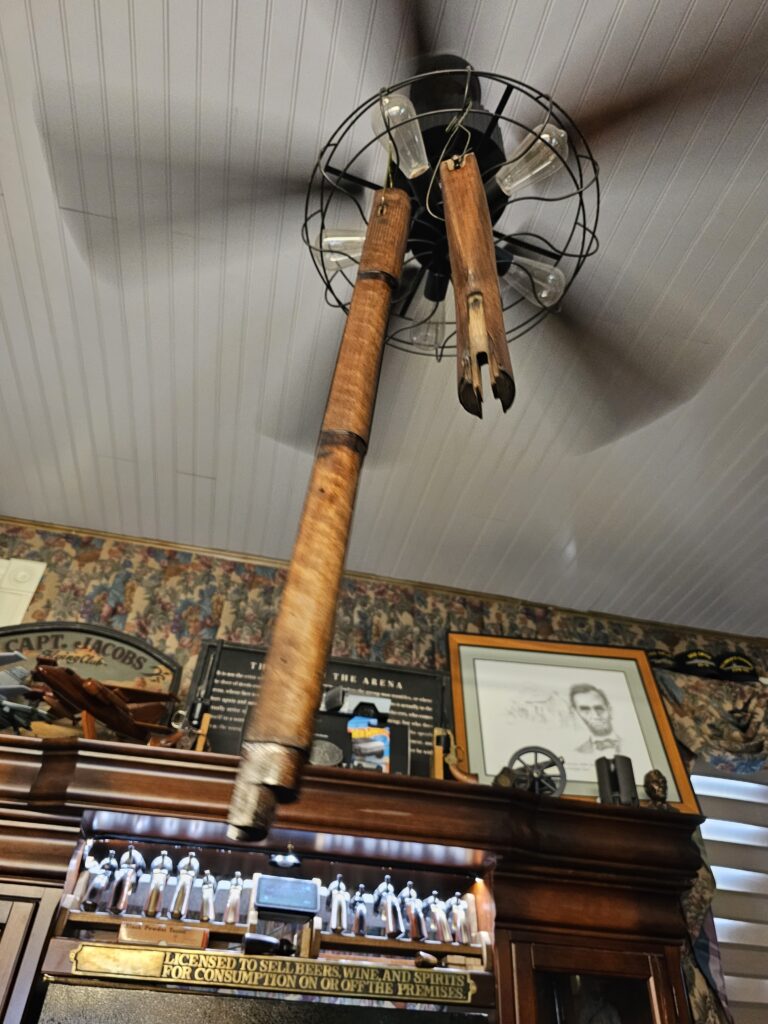
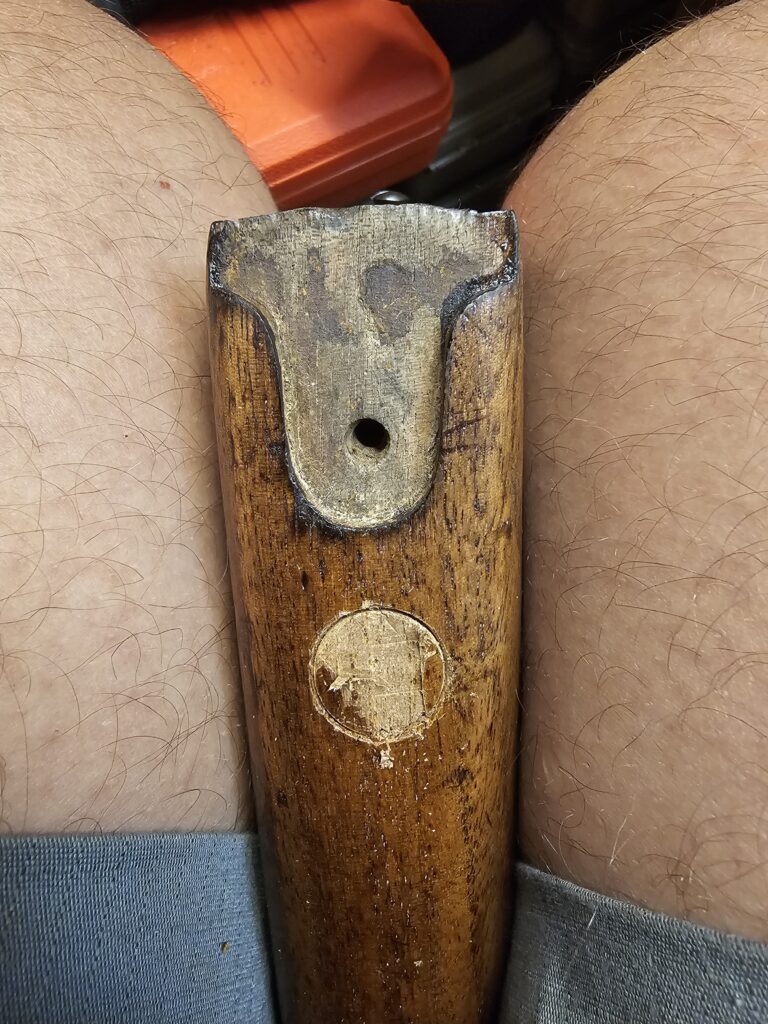
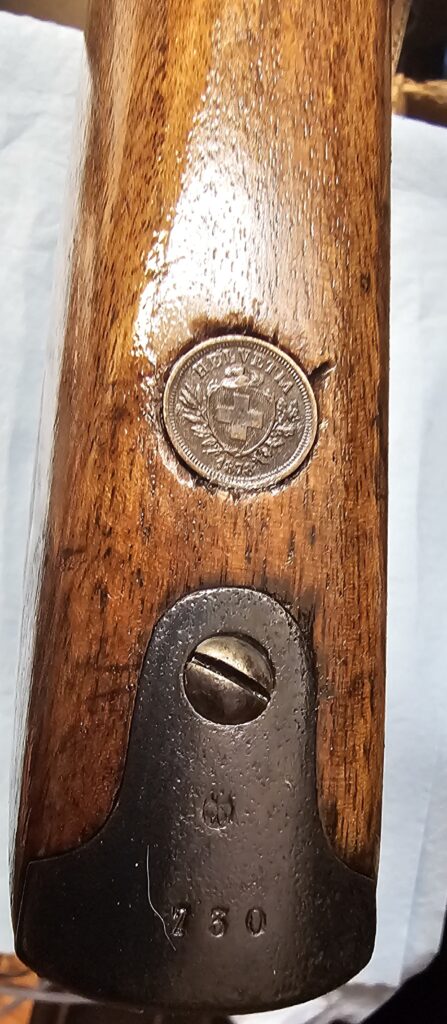
It was about that time that I noticed a particular spot on the stock. The wood was bruised a bit and wasn’t taking oil as I would have liked. I decided it needed ‘something’ and went off on a bit of a side quest.
I managed to locate a Swiss one cent coin from 1878 on eBay and carefully cut the wood out to inlet that penny into the stock. It definitely isn’t perfect, but the coin hide the spot and did take oil finish, so it was a win-win. Historical addition and practical patchwork.
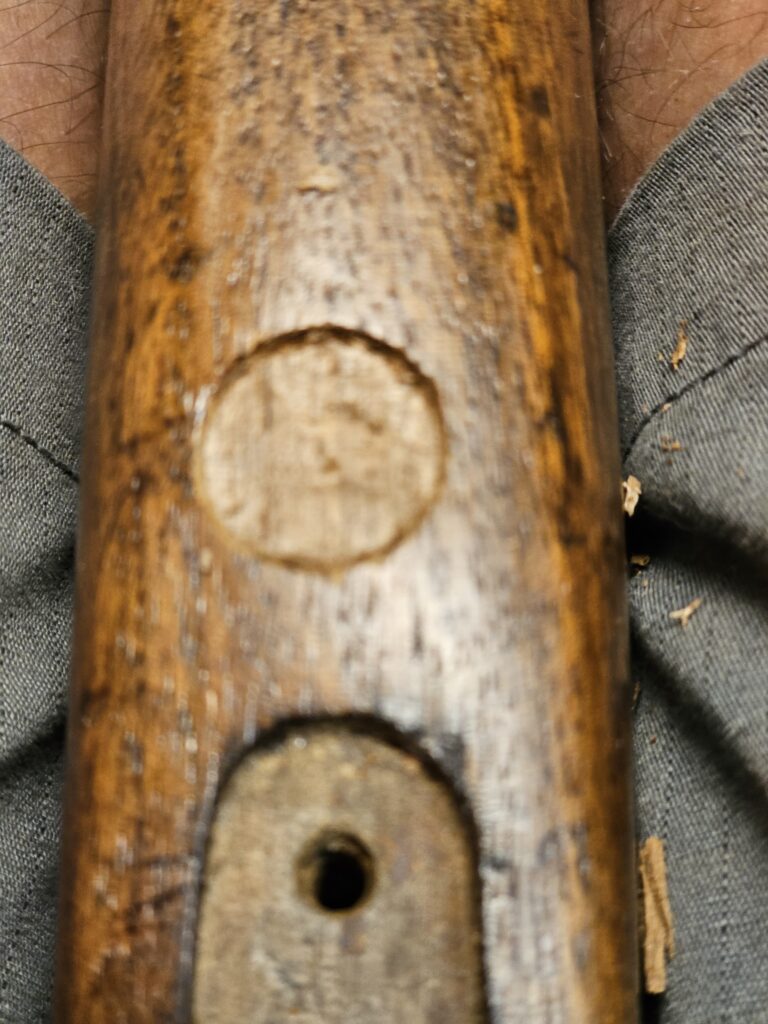
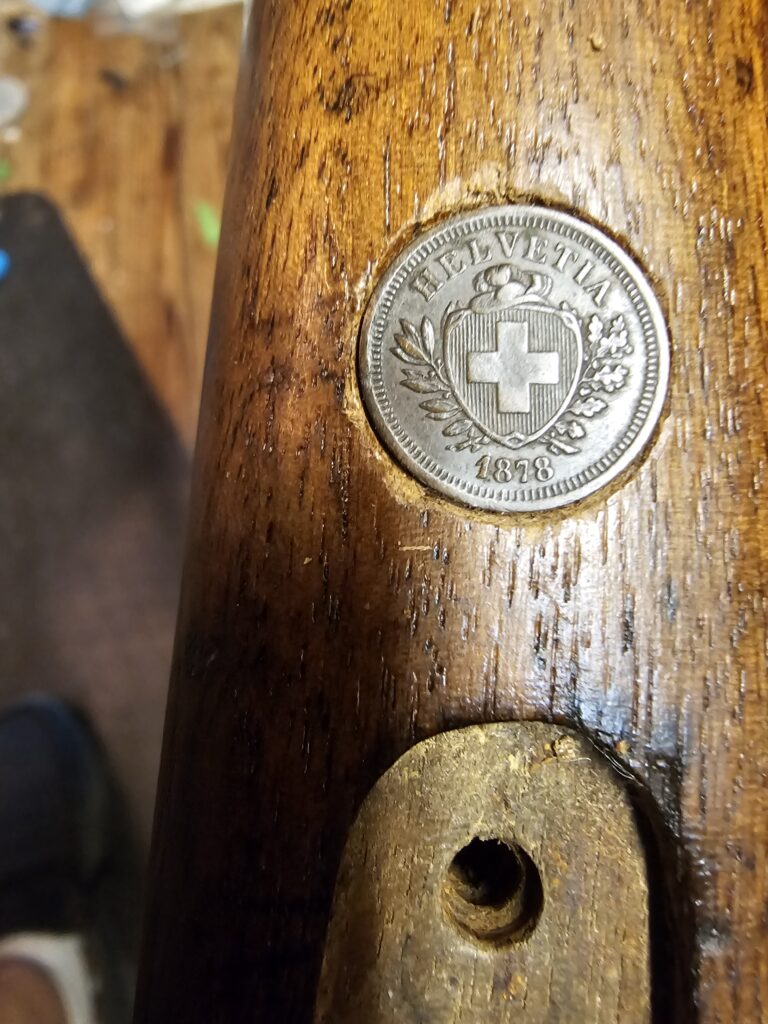
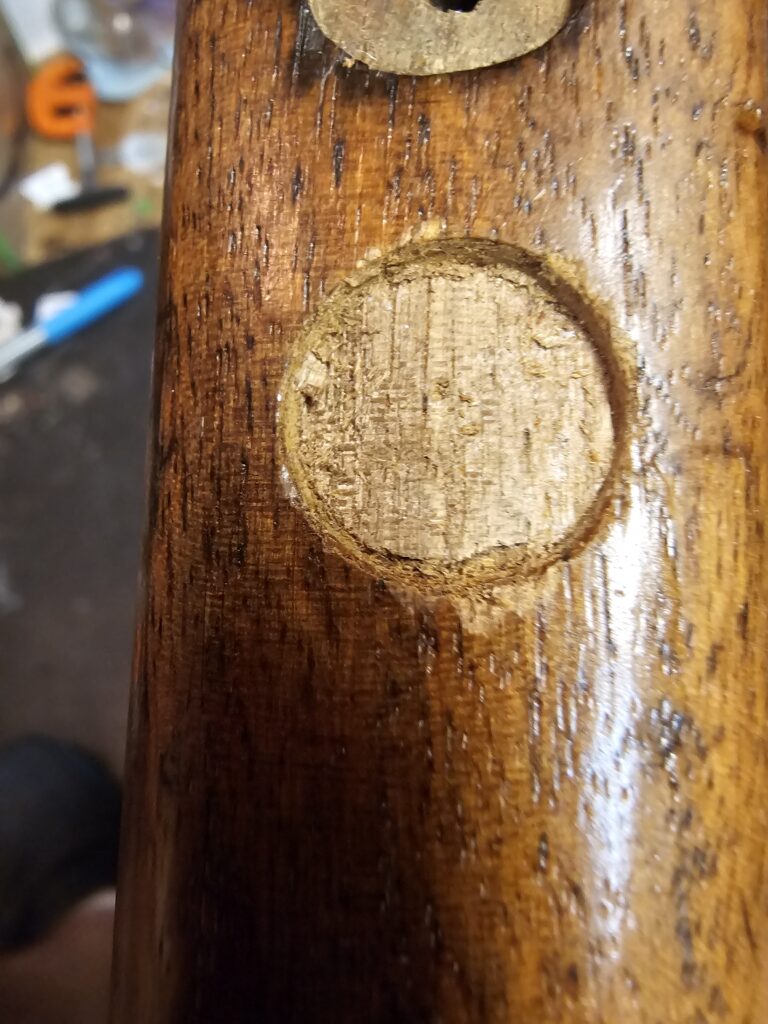
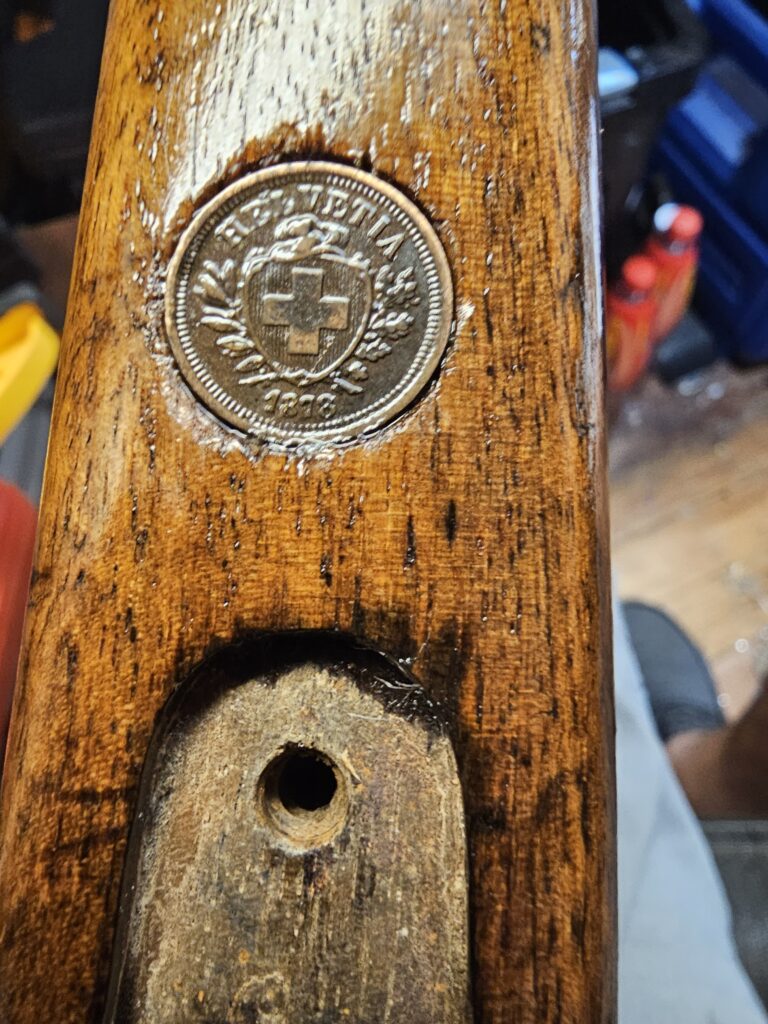
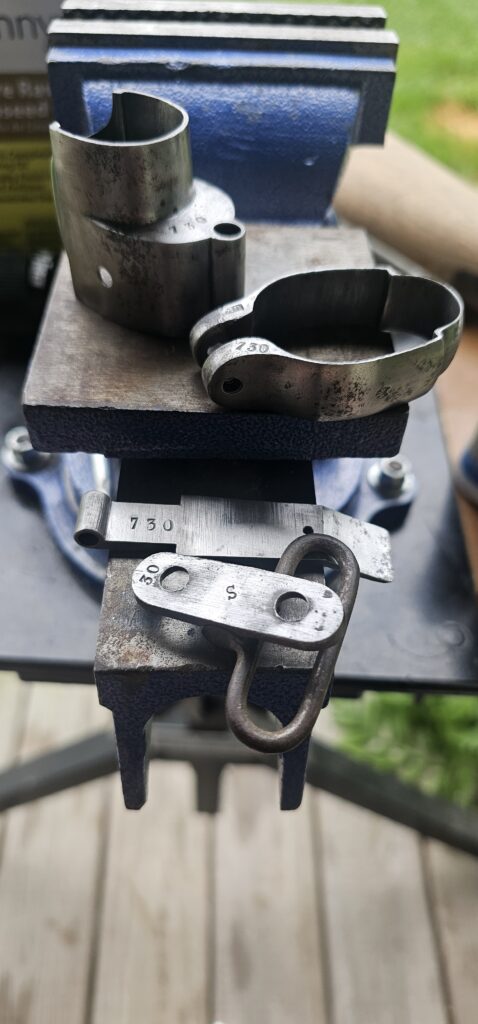
While the oil hardened on the wood, I continued cleaning and polishing the metal parts. Once as good as it was going to get, I began applying Blue Wonder Cold Blue finish using alternating coats of Blue and Black to darken it enough to cover most of the remaining dark pitting.
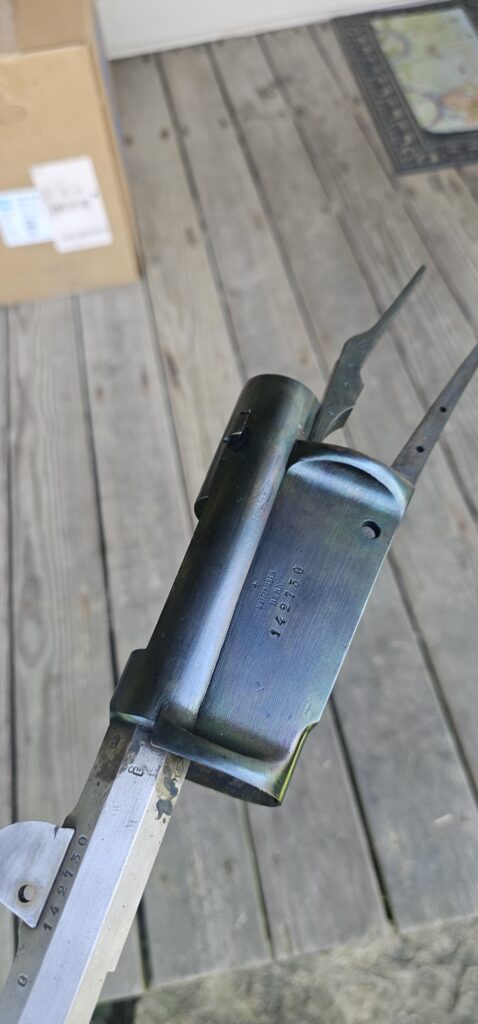
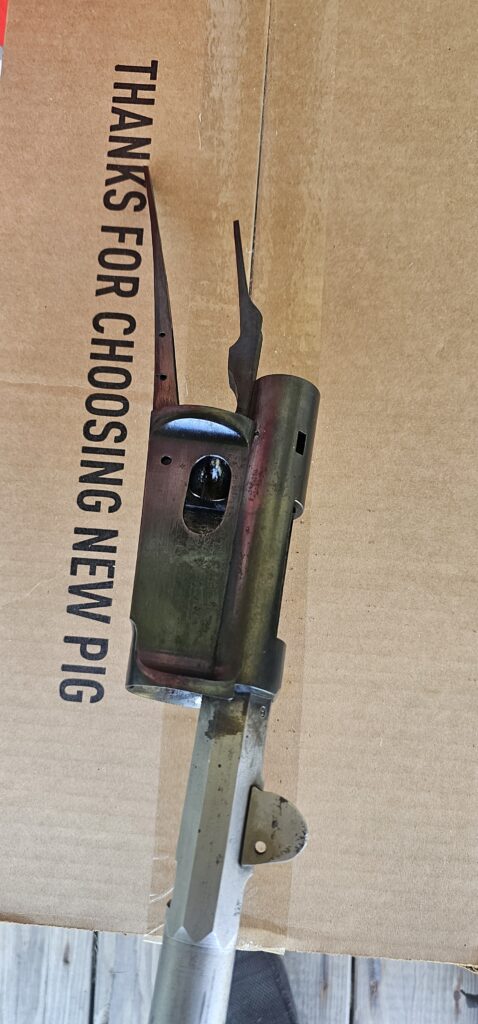
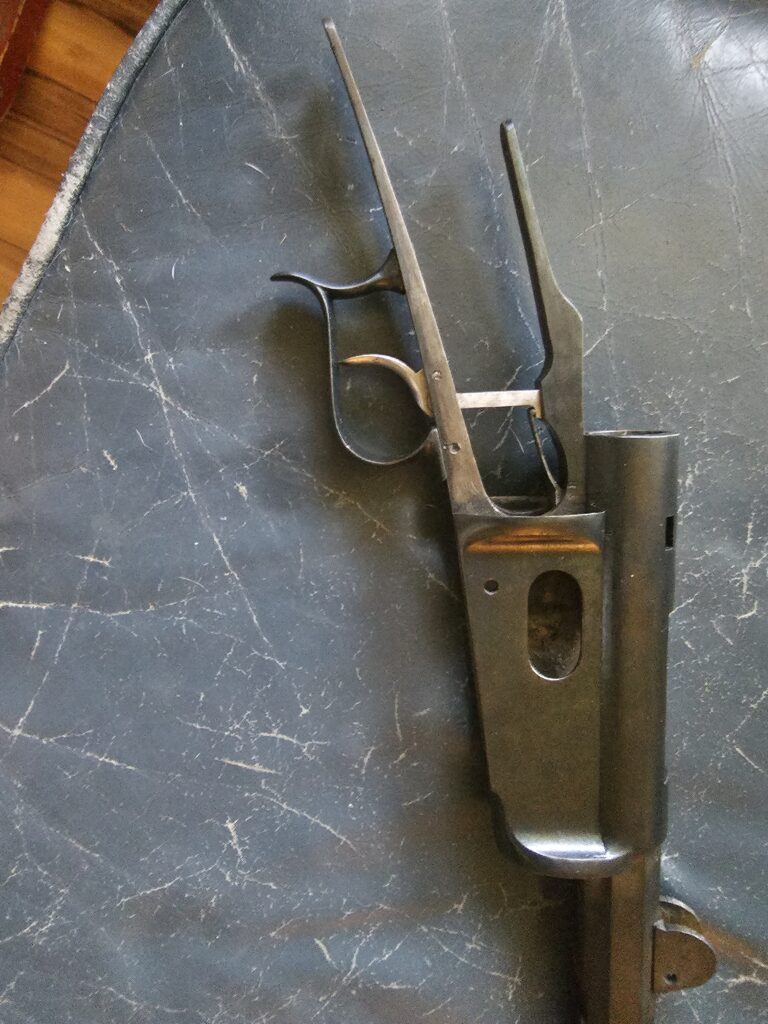
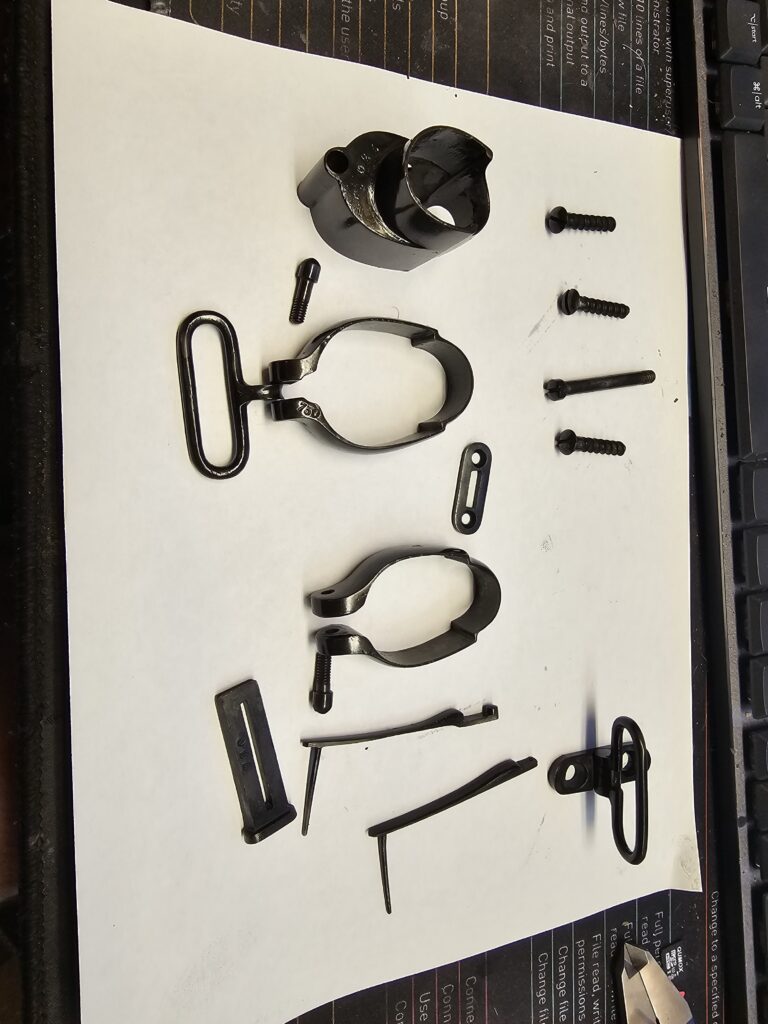
While I continued with the various metal bits, I began to think this rifle might actually become functional. More Internet research led me to a discussion of converting the Vetterli to centerfire and forming suitable brass from 8mm Lebel. This was a bit of a rabbit hole, but I stumbled across a gentleman in Florida named Norm Sutton who was offering the bolt conversion for about $30 and cost of return shipping. So I called Norm and we had a nice chat about these old rifles, how he converts them and how to form and load the brass. It is always a pleasure to talk to people who love restoring these old pieces and I quickly mailed my still rusty bolt parts to Norm. They came back beautiful! He cleaned them and even reblued the spring cover. His center fire firing pin and the drilled bolt face were perfect! That was considered value for less than $50 and quite a quick turn around as well.
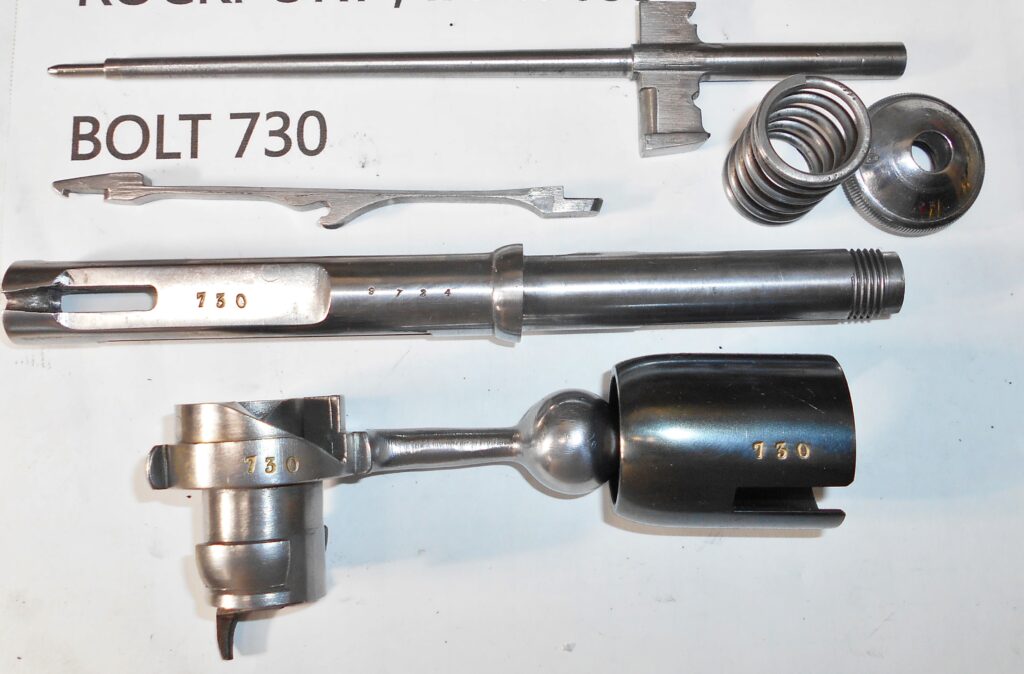
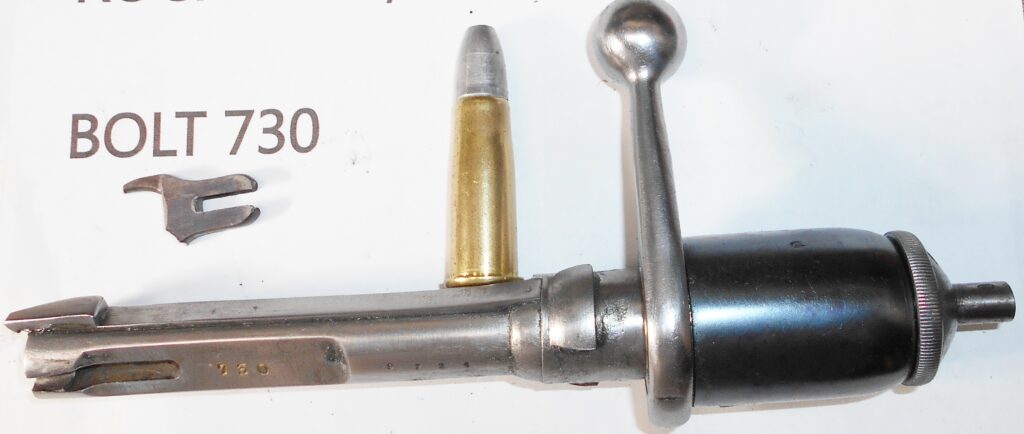
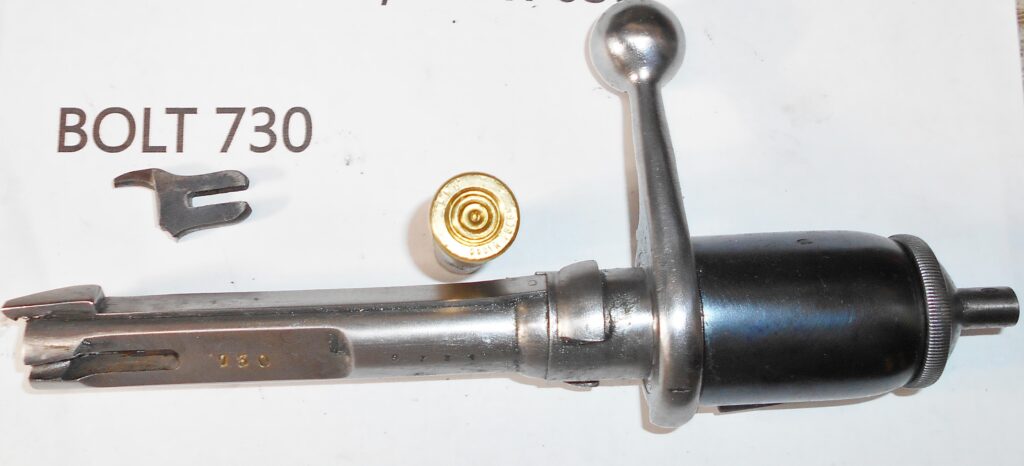
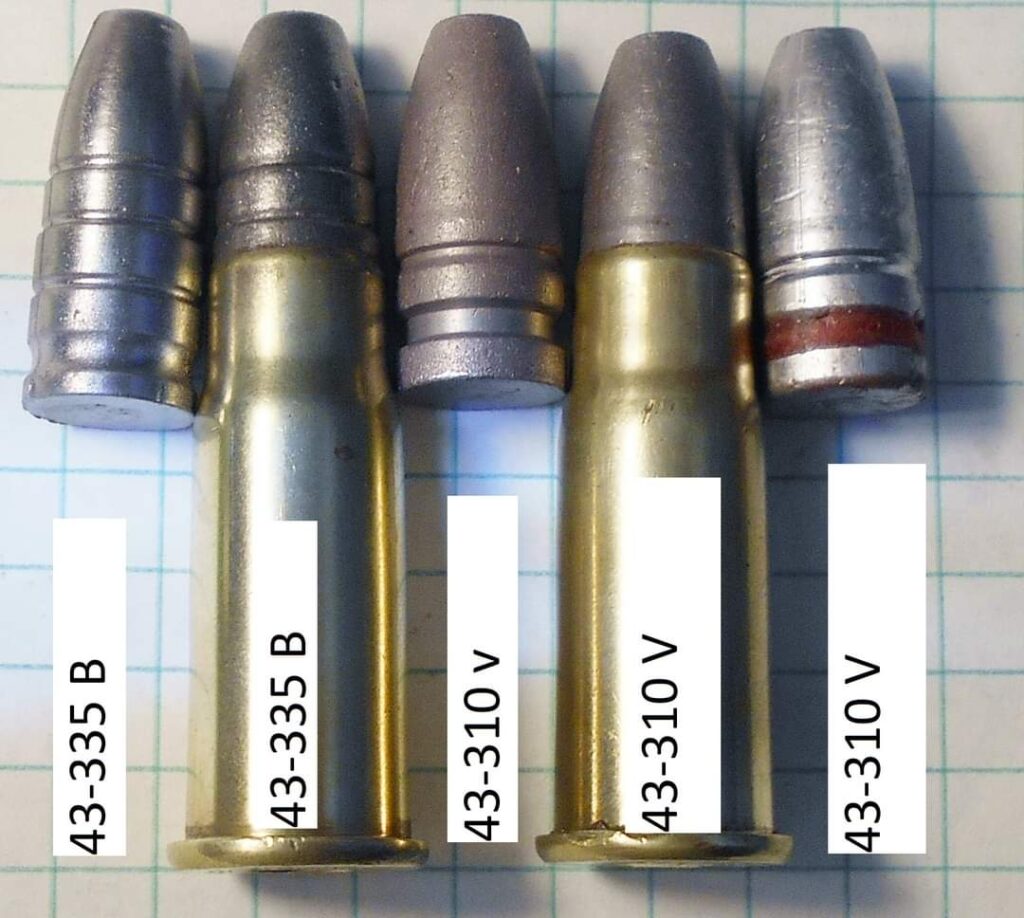
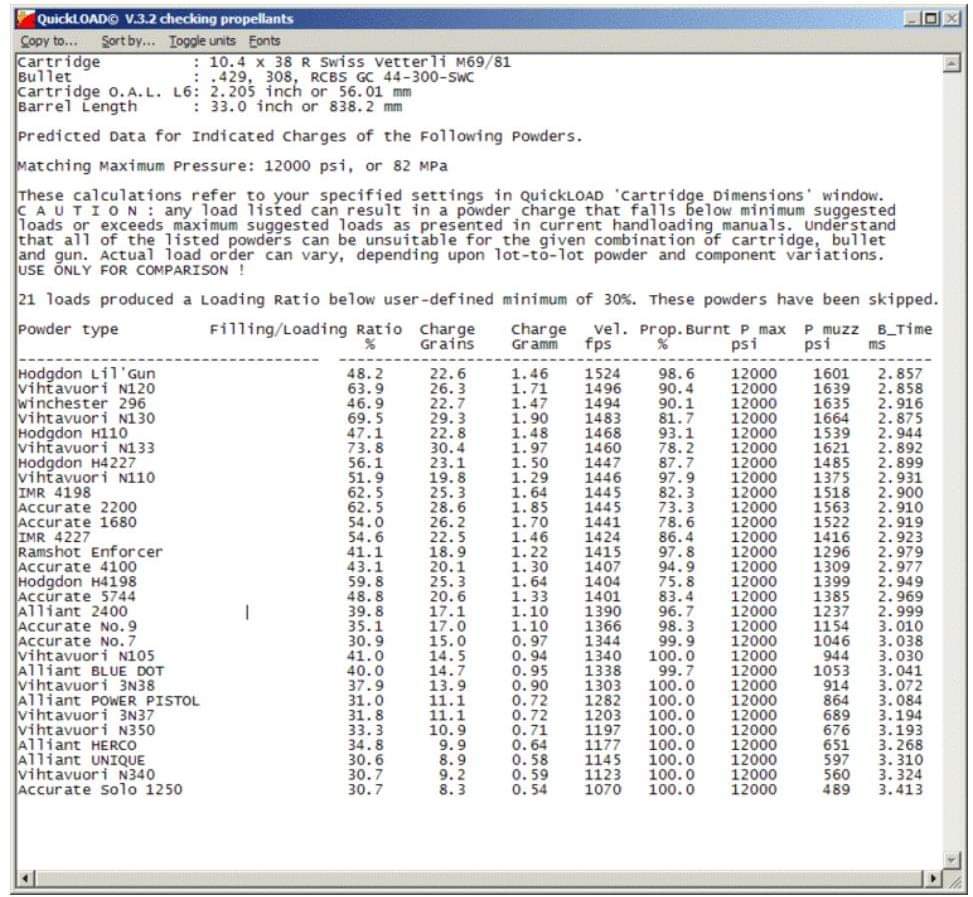
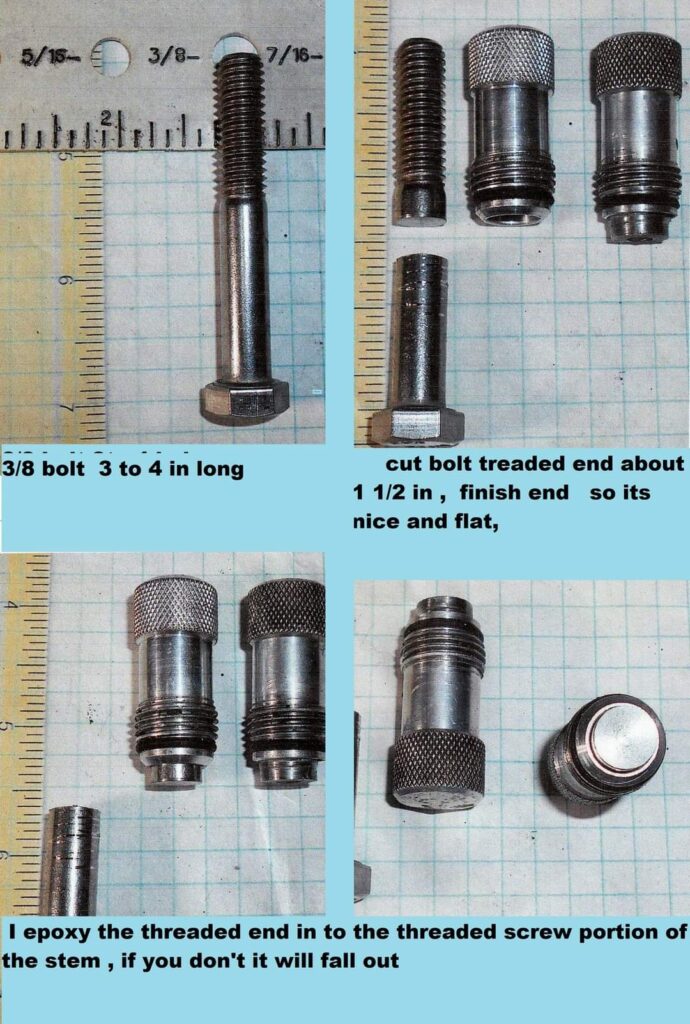
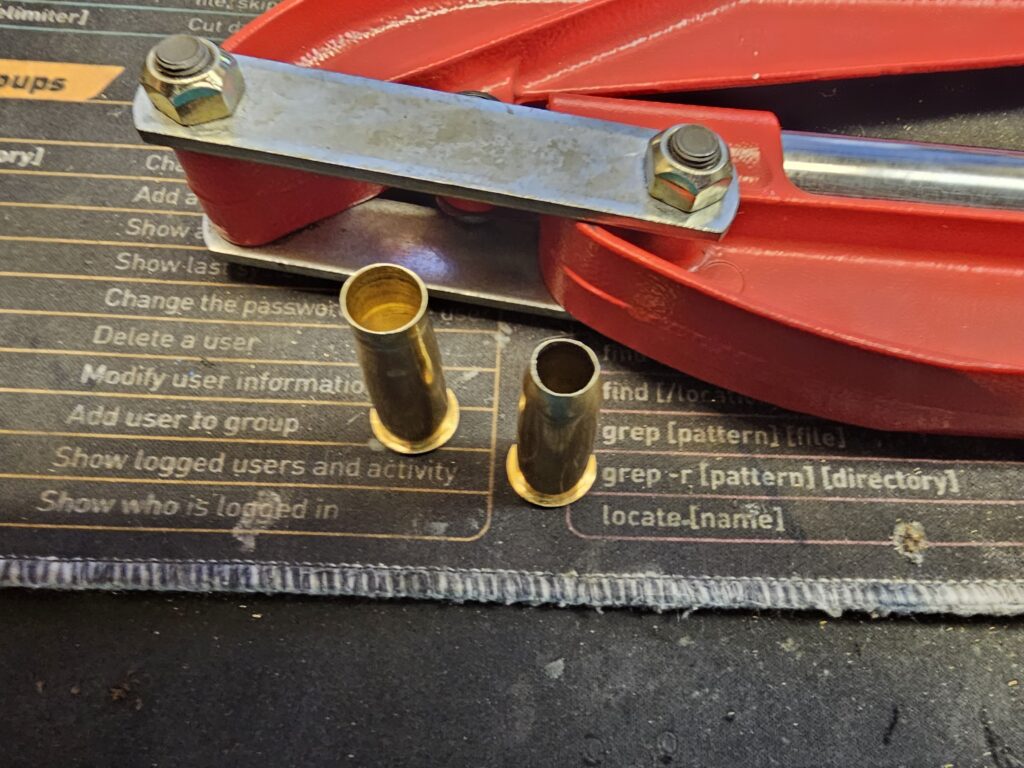
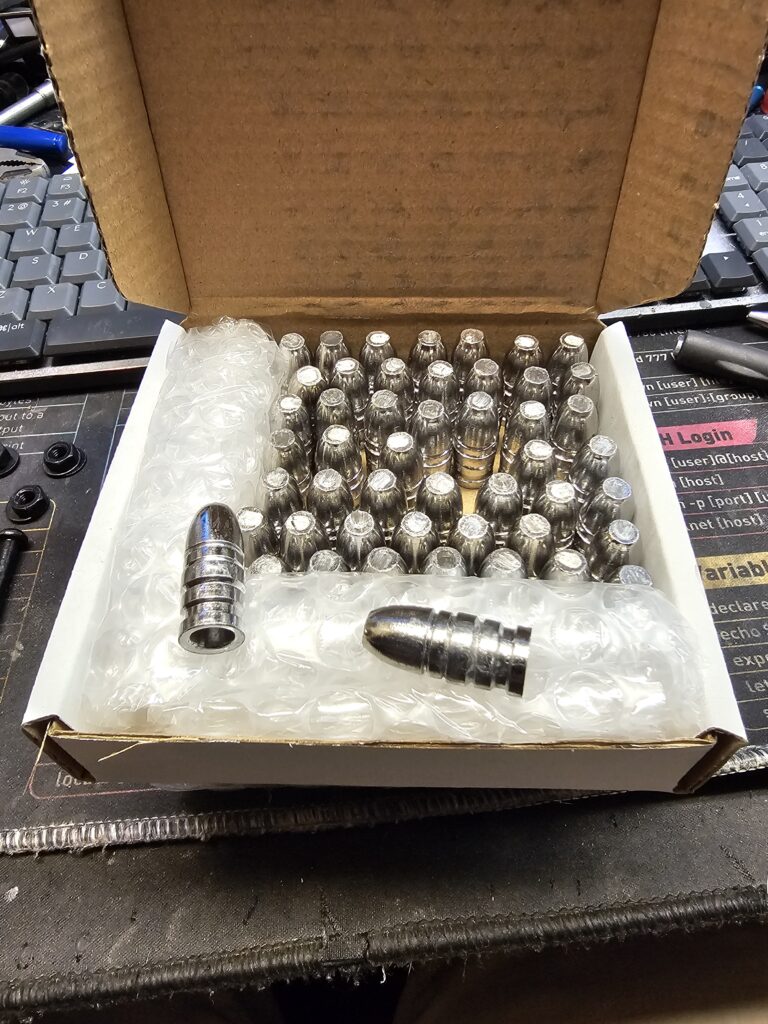
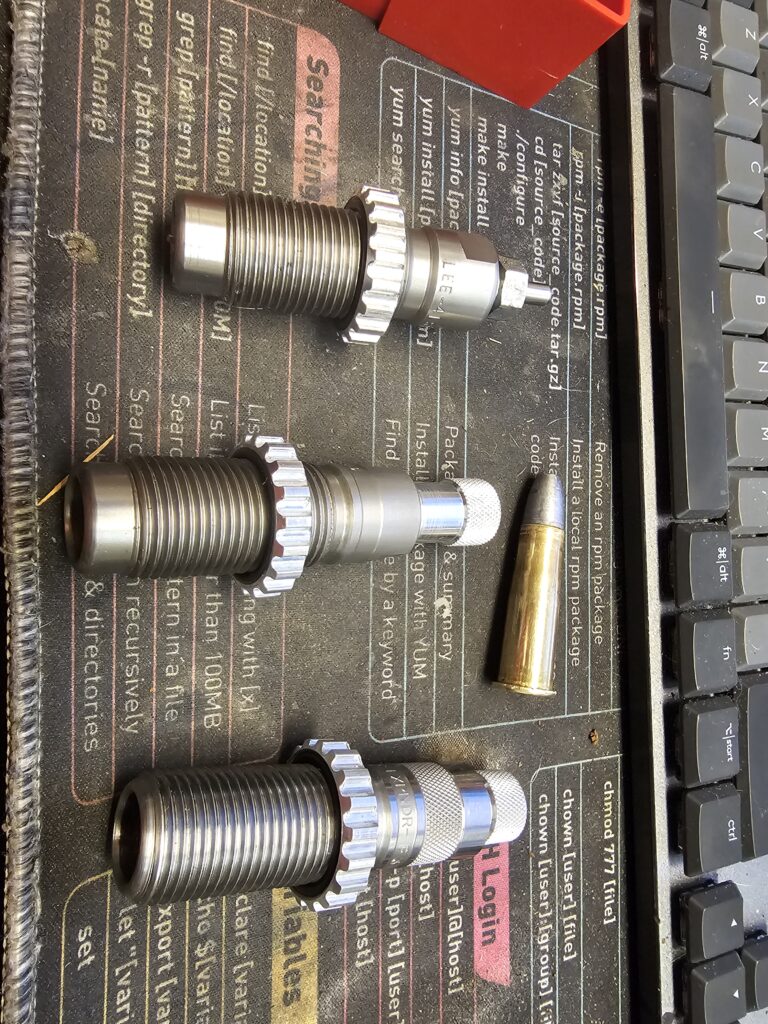
Armed with knowledge from Norm, I ordered some 8mm Label brass and a set of Lee 41 Swiss dies. The brass trimming process was not difficult as I already have a chop saw for making 300 BO. I made a 3D printed jig for the saw and got it adjusted and proceeded to trim all my brass.
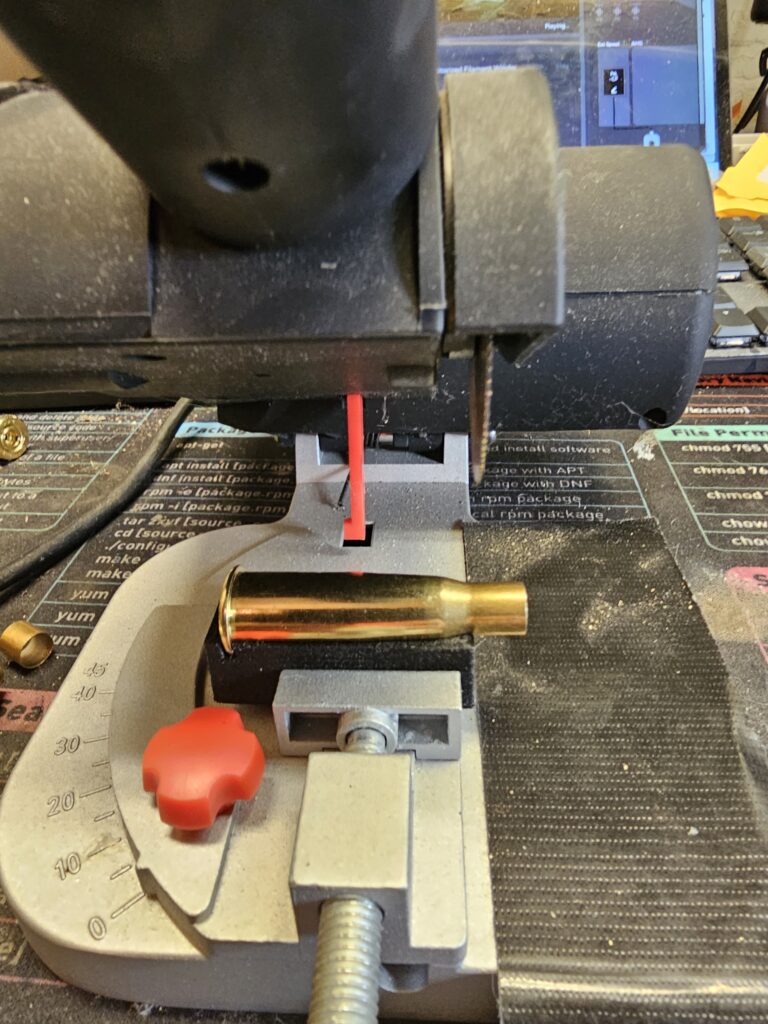
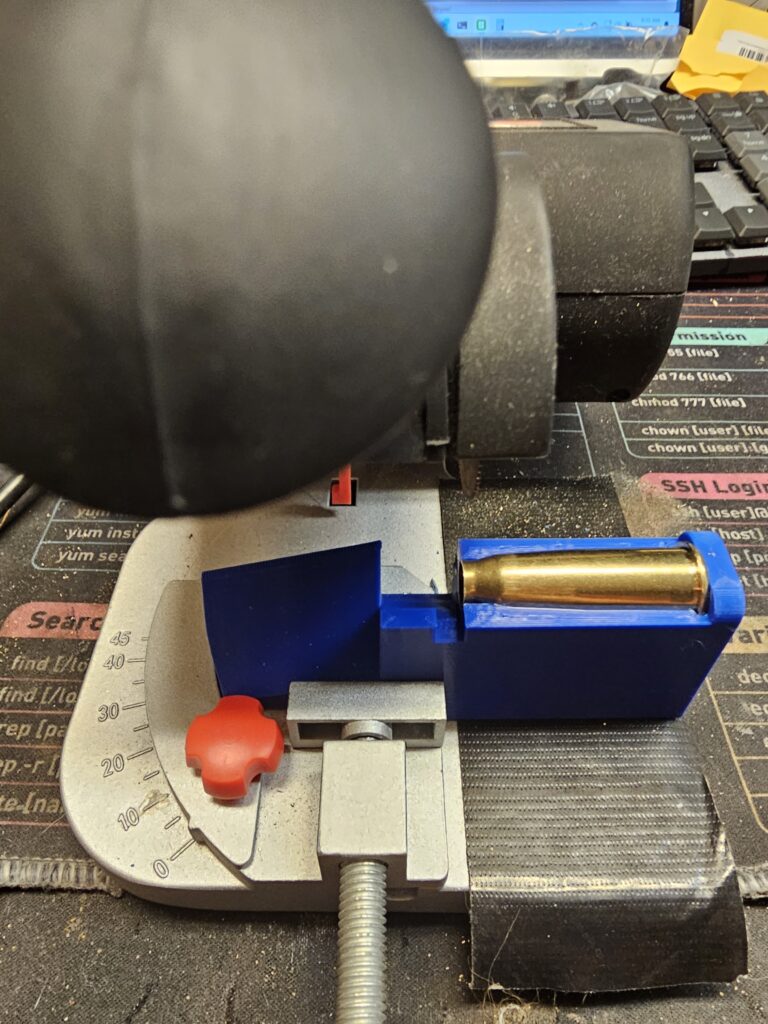
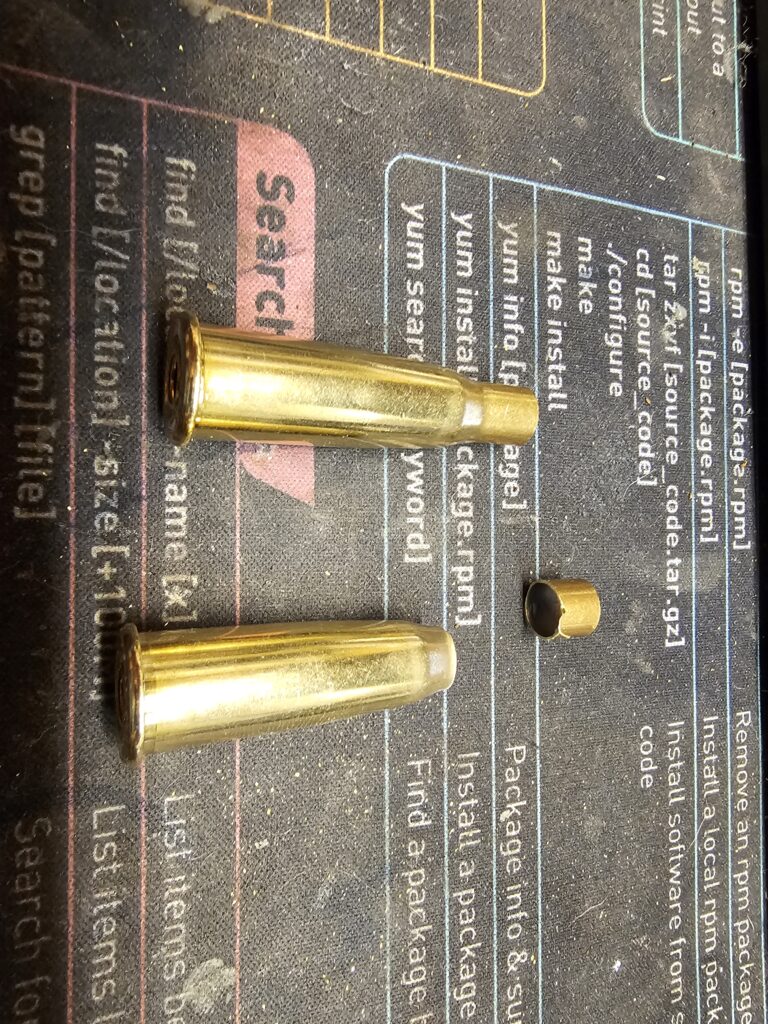
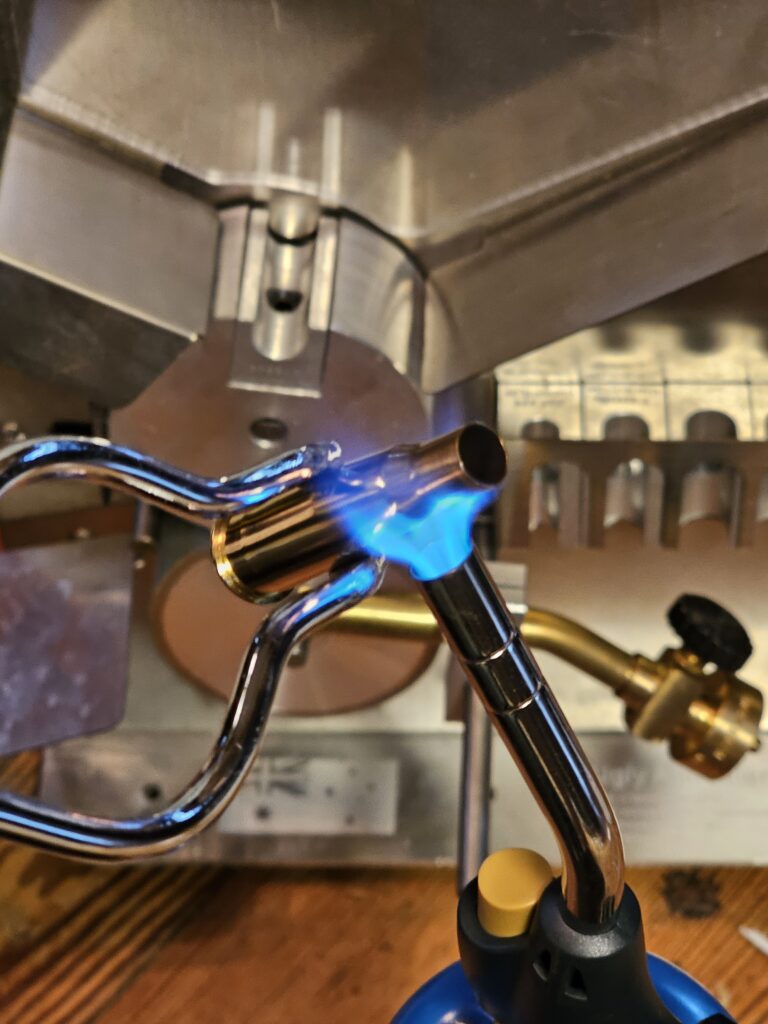
Brass was annealed as well because the reforming process really works the brass and can Crack the case if it is brittle or ‘work hardened’
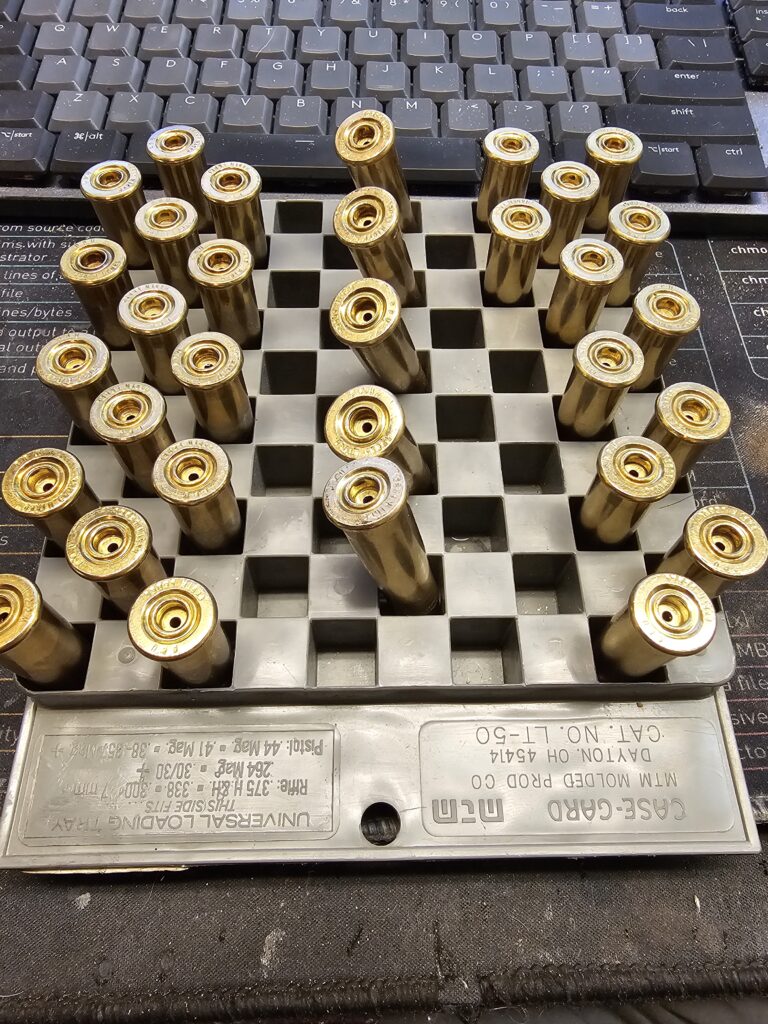
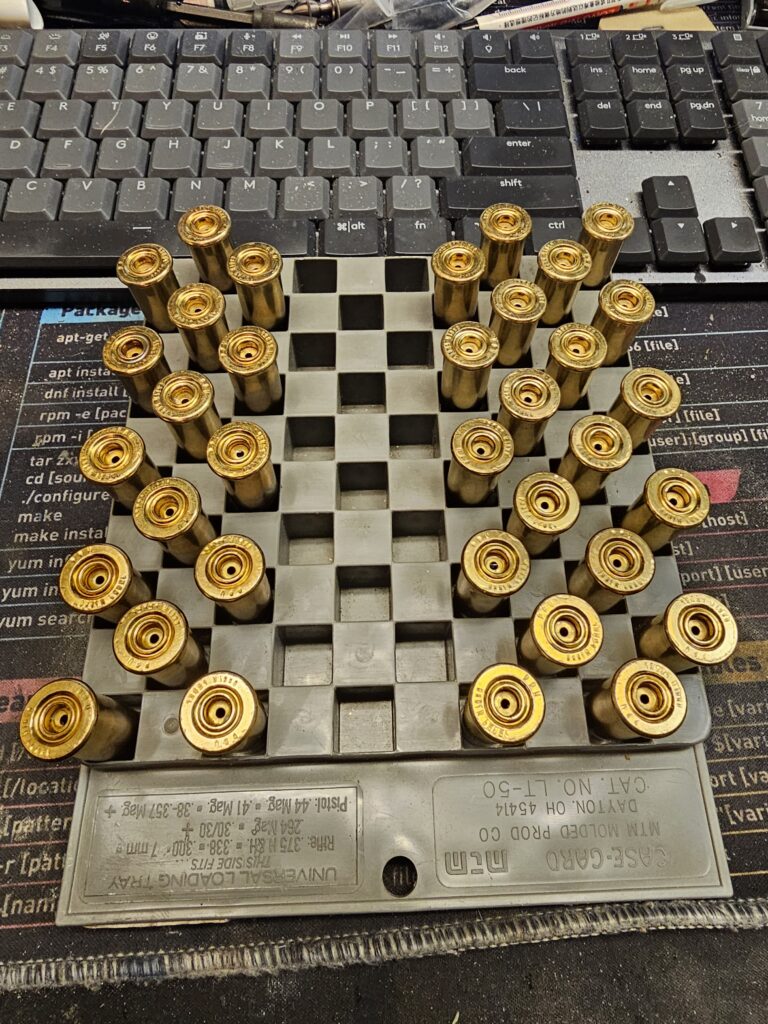
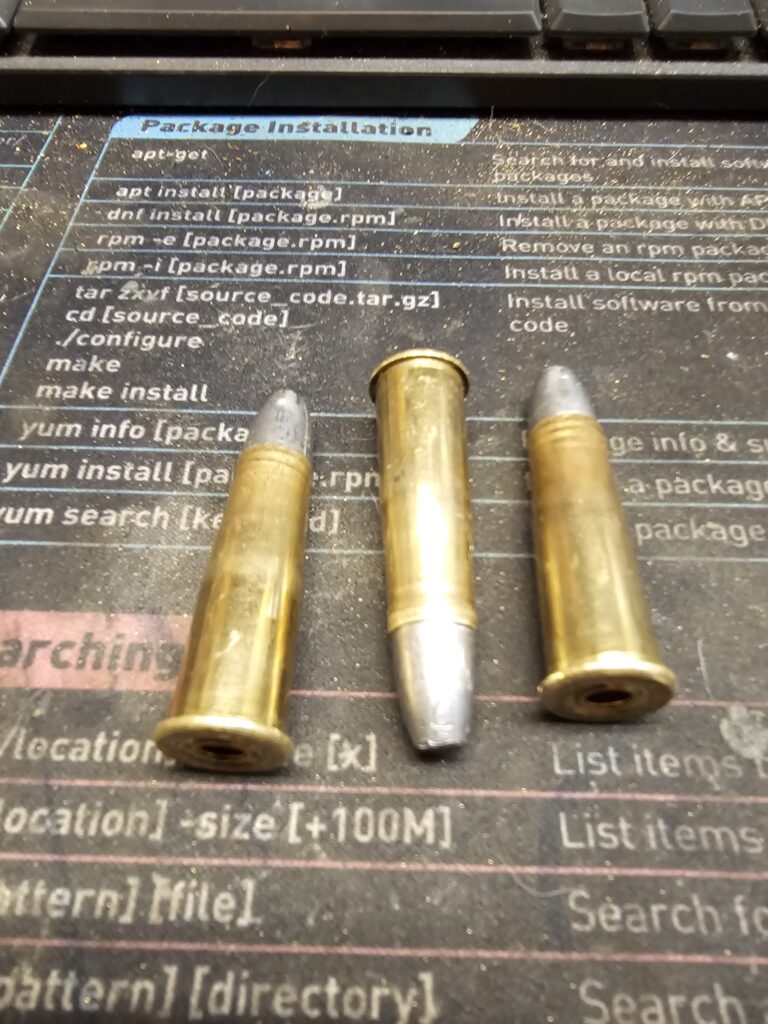
The Lee Hand Press is great for these sorts of small batch loads and ensures that I cant apply ‘too much’ pressure which could result in cracked casings… or at least that was my plan. Still split several along the way… but in the end I had enough formed satisfy me.